Spring Floor Repair Solutions From Local Service Providers
Spring is the perfect time to connect with local contractors who can restore, reinforce, and refresh your industrial floors for lasting durability.
Spring is often regarded as an ideal season to address industrial floor repair projects because it marks a time of renewal and fresh beginnings. As the weather warms and outdoor conditions become more predictable, property owners find it easier to plan and execute repairs that may have been postponed during colder months. Spring also provides an opportunity to prepare floors for the busier months ahead, ensuring that surfaces are in good condition for increased activity and traffic. This seasonal shift encourages proactive maintenance, making it a popular time for property owners to evaluate and improve their industrial flooring systems.
Typically, industrial floor repair services encompass a range of solutions designed to restore and enhance the durability of concrete surfaces. Common services include crack filling, surface leveling, sealing, and coating applications. These repairs help prevent further deterioration caused by wear, chemical exposure, or heavy machinery use. In addition, some contractors may offer surface preparation, such as cleaning and grinding, to ensure proper adhesion of repair materials. The goal is to extend the lifespan of the flooring, improve safety, and maintain a professional appearance for industrial facilities, warehouses, or manufacturing sites.
When comparing local service providers for industrial floor repair, property owners should consider several factors to find the best fit for their needs. It’s helpful to review the scope of services offered, ensuring they align with the specific repair requirements. Checking the experience and reputation of local contractors can provide insights into the quality of work and reliability. Additionally, understanding the types of materials and techniques used by each provider can help evaluate their suitability for the project. By gathering information on these aspects, property owners can make informed decisions and choose service providers who are well-equipped to handle the demands of industrial flooring repairs in the local area.
Compare local contractors' expertise and priorities to plan your spring industrial floor repair effectively.
- Assessing Floor Damage - Local contractors can evaluate the extent of damage to determine necessary repair solutions.
- Surface Preparation - Service providers prepare the floor surface to ensure proper adhesion of repair materials.
- Repair and Restoration - Experienced pros apply suitable materials to restore the durability and safety of industrial floors.
- Finish and Coating - Professionals can apply protective coatings to enhance longevity and resist future wear.
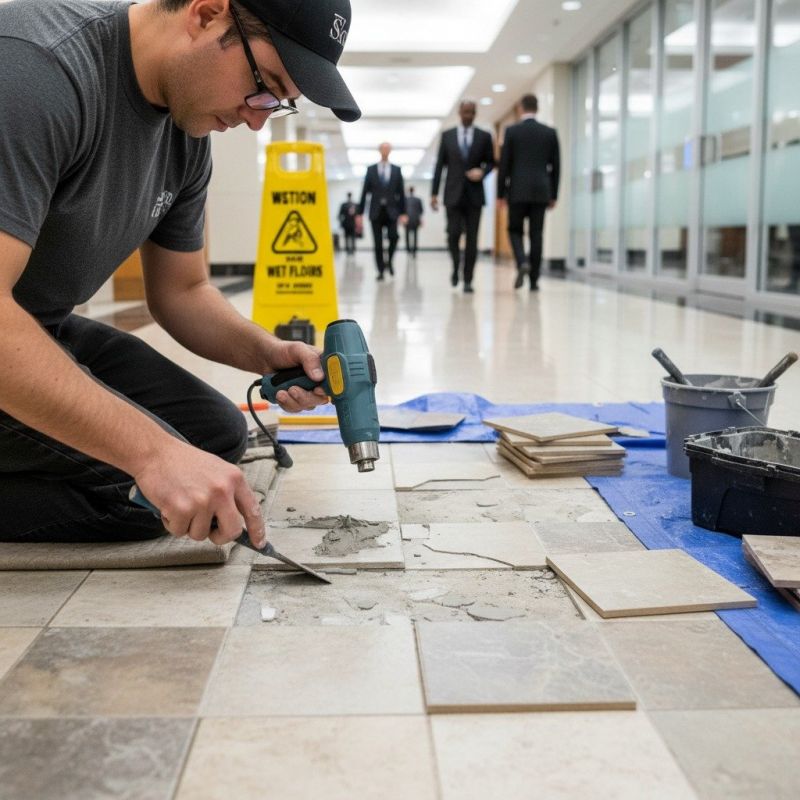
Properly describing your industrial floor repair project helps local contractors provide accurate options suited for spring refresh and maintenance.
- Assess surface cracks and surface damage - look for visible signs of wear, spalling, or surface deterioration that may require repair.
- Check for uneven or sunken areas - identify any sections where the floor has settled or become uneven, indicating underlying issues.
- Inspect for moisture or water damage - look for signs of dampness, staining, or pooling that could compromise the floor’s integrity.
- Evaluate surface coating and sealant condition - determine if existing coatings are peeling, cracked, or worn away, reducing protection.
- Examine for debris and surface contamination - ensure the floor is free of debris, oils, or other substances that could interfere with repairs.
- Consult with local contractors about repair options - seek professional advice on suitable repair methods tailored to the specific condition of the floor.
Use this to explore ideas and narrow down the scope for spring industrial floor repairs with trusted local contractors.
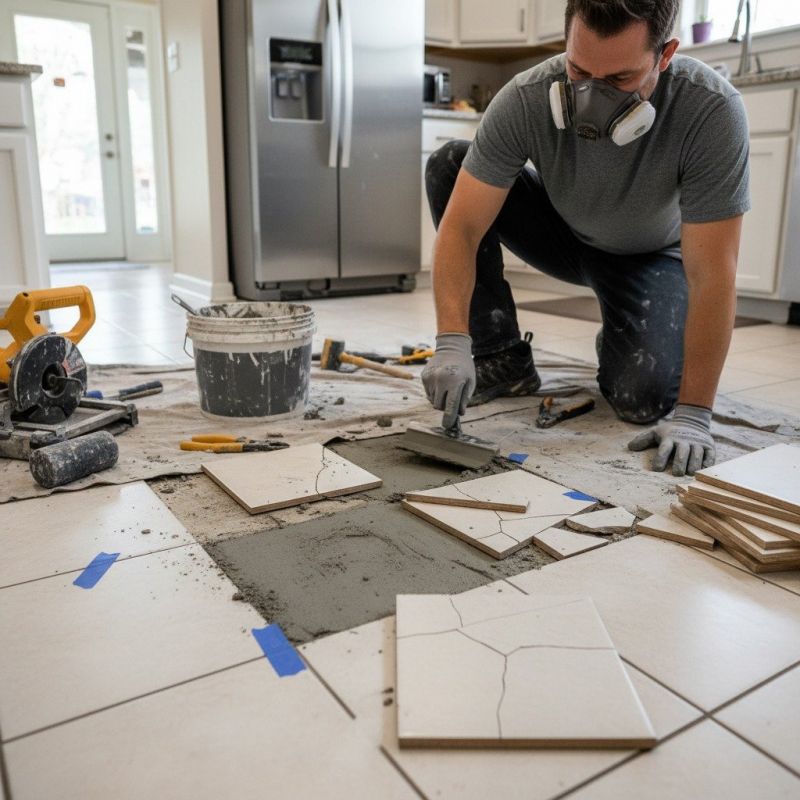
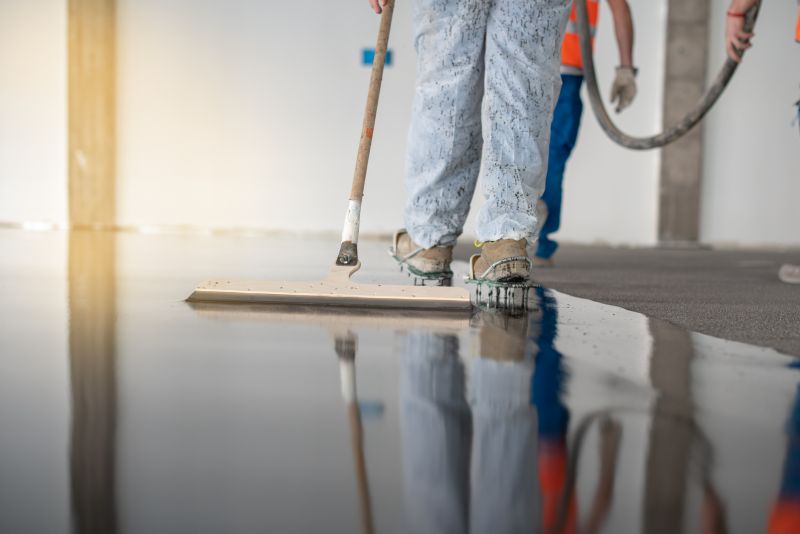
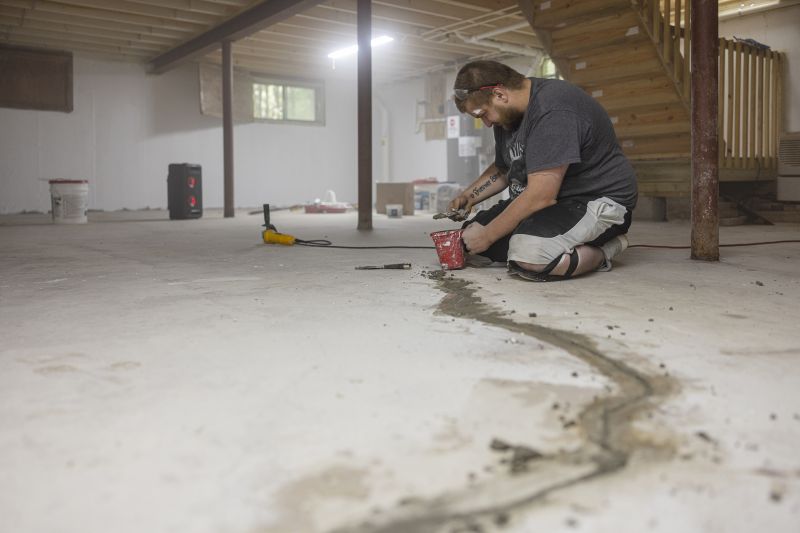
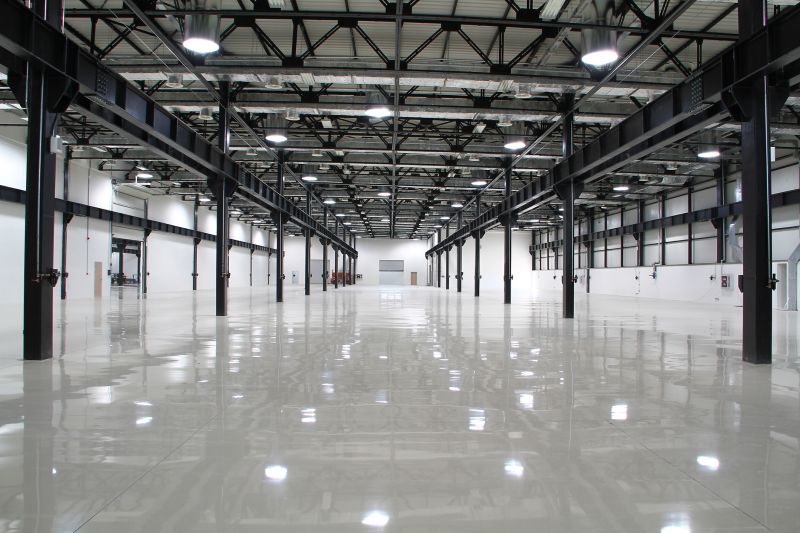
Prioritize your spring repair goals and compare local contractors to find the best service providers for your project.
- Surface Repair and Leveling - Spring is an ideal time to assess and repair uneven or damaged sections of industrial floors to prepare for the busy season. Local contractors can provide surface leveling to ensure a smooth, safe working environment.
- Crack and Joint Sealing - Warmer weather allows for effective sealing of cracks and expansion joints, preventing future damage and improving floor longevity with the help of experienced service providers.
- Surface Cleaning and Preparation - Spring cleaning of industrial floors involves removing debris, stains, and contaminants to restore appearance and safety, which local pros can handle efficiently.
- Coating and Sealing Applications - Applying protective coatings or sealants in spring helps safeguard floors against wear and environmental factors, with local contractors offering expert application services.
- Structural Damage Inspection - Spring is a good time to have professionals inspect floors for underlying structural issues that may have worsened over winter, enabling timely repairs by local service providers.
Compare local contractors' experience and service quality consistently to ensure a reliable choice for your spring floor repair projects.
- Assessment of Existing Floor Conditions - Define the current state of the industrial floor, including cracks, surface wear, and structural integrity.
- Material Compatibility - Identify the appropriate repair materials that will adhere well to the existing floor surface and meet operational needs.
- Preparation Requirements - Determine the necessary steps for surface cleaning, leveling, and surface preparation prior to repair application.
- Repair Techniques - Specify the methods and procedures that local contractors will use to address cracks, surface damage, or deterioration.
- Finish and Coating Specifications - Outline the desired surface finish, coating types, and protective layers to ensure durability and suitability for industrial use.
Comparing local contractors for industrial floor repair during the spring season involves evaluating their experience with similar projects. Homeowners should seek out service providers who have a proven track record of handling industrial flooring in environments comparable to their own, such as warehouses, manufacturing facilities, or distribution centers. Understanding a contractor’s background with projects of similar scope and complexity can provide insight into their familiarity with the unique challenges that spring weather or seasonal conditions might present. This focus on experience helps ensure that the selected professional is well-equipped to deliver durable and long-lasting results tailored to the specific needs of industrial settings.
A clear, written scope of work is essential when assessing potential service providers. Homeowners are encouraged to request detailed descriptions of the proposed repair process, including the materials to be used, the extent of surface preparation, and the methods to be employed. Having a well-defined scope helps prevent misunderstandings and ensures that all parties are aligned on project expectations. It also facilitates more effective planning, as knowing what tasks are involved allows for better coordination with other seasonal maintenance activities and ensures that the project can be completed efficiently during the spring months.
Work planning considerations are particularly important in spring, when fluctuating weather conditions can impact project schedules. Homeowners should inquire about how local contractors plan to accommodate seasonal variables, such as rain or temperature changes, which can affect curing times and surface preparation. Experienced service providers will have strategies in place to adapt their work sequences, ensuring that the project proceeds smoothly regardless of spring’s unpredictable weather. Proper planning also involves assessing site conditions, access points, and any necessary precautions to minimize disruptions and ensure safety throughout the repair process.
When evaluating options for industrial floor repair, homeowners should focus on the contractor’s approach to project management and communication. It’s helpful to consider how each service provider plans and coordinates tasks, as well as their ability to provide clear explanations of the work process. Asking about their experience with similar projects, the methods they recommend, and how they handle unexpected issues can aid in making an informed choice. Since this site functions as a neutral guide and lead generation resource, it is intended to connect homeowners with local contractors who can meet these criteria, helping to identify professionals best suited for springtime industrial flooring projects.
Request written details to ensure clarity and consistency in your spring industrial floor repair project scope.
- Assessing Service Scope - What specific types of industrial floor repair services do local contractors offer for spring projects?
- Comparing Provider Expertise - How do different service providers' experience levels align with the unique demands of seasonal floor repairs?
- Material and Technique Options - What repair materials and techniques do local contractors typically utilize to address springtime floor concerns?
- Coverage of Repair Services - Which providers offer comprehensive solutions that include surface preparation, repair, and finishing?
- Specialization in Seasonal Repairs - Are there service providers with a focus on spring-specific industrial floor maintenance and restoration?
What types of damage can industrial floor repair address? Industrial floor repair services can handle issues such as cracks, spalling, surface wear, and staining to restore the integrity and appearance of concrete surfaces.
How do local contractors prepare for spring floor repair projects? Contractors typically assess the current condition of the flooring, clean and remove debris, and select appropriate repair materials suited for spring weather conditions.
Are there different repair options for various types of industrial floors? Yes, service providers can offer tailored solutions for different flooring types, including concrete overlays, crack injections, and surface coatings to meet specific needs.
What maintenance steps can help prolong the life of repaired industrial floors? Regular cleaning, prompt attention to new damage, and applying protective coatings can help maintain the durability of repaired floors through the seasons.
Why is spring a good time to consider industrial floor repairs? Spring offers favorable weather conditions for repair work, allowing for proper curing and minimal disruption to operations during the warmer months.
How can local contractors assist with planning a spring floor refresh? Experienced service providers can evaluate existing floors, recommend suitable repair or resurfacing options, and help coordinate the necessary work to prepare for seasonal use.
This spring is a great time to assess and address any issues with industrial flooring, ensuring the space remains functional and safe for ongoing operations. Visitors have learned about the importance of proper repair techniques and the benefits of working with experienced local contractors who can provide tailored solutions for their specific needs. By exploring available options, individuals can find the right service providers to help restore and maintain their industrial floors effectively.
To find the best fit for industrial floor repair projects, it’s recommended to use the quote form to compare local service providers. This process allows for a straightforward way to connect with qualified contractors who can handle the job, helping to make informed decisions based on the options available in the area. Taking this step can support a smooth and successful repair process tailored to spring’s seasonal planning.
Providing clear details about your industrial floor repair needs helps local contractors understand your project better.
- Surface Assessment - share details about the current condition and type of the existing flooring.
- Repair Needs - describe specific issues such as cracks, pitting, or surface wear that need to be addressed.
- Project Scope - outline the size and areas of the floor that require repair or resurfacing.
- Material Preferences - specify any preferred flooring materials or finishes for the repair work.